

PRN staffing is short for pro re nata, which means “as needed.” It’s a staffing model that allows healthcare facilities to bring in qualified professionals only when coverage is required.
While PRN staffing is usually discussed from the clinician’s perspective, its greatest value is realized at the facility level when used strategically.
Table of Contents
What PRN Staffing Means for Healthcare Facilities
PRN staffing provides facilities with flexibility without having to sacrifice quality.
Instead of overstaffing during low census periods or relying heavily on overtime, you can use PRN clinicians to match staffing levels with real-time demand. This helps you stabilize operations while protecting your budget and staff morale.
PRN staffing works best as a complement to core staff, not a replacement.
When Facilities Use PRN Staffing
Facilities normally use PRN staffing during periods of uncertainty and to combat healthcare staffing shortages.
Census fluctuations, seasonal demands, call-offs, and hiring delays all create gaps that PRN staff can quickly fill. During low census periods, PRN staffing can also help you avoid paying for unused labor while maintaining safe coverage levels.
A Common PRN Staffing Use Case for Healthcare Facilities
A facility experiences fluctuating census week to week. During higher census periods, staffing gaps begin to appear due to call-offs and increased patient volume. During low census periods, however, the same facility risks paying for unused labor if staffing levels remain fixed.
In this scenario, PRN staffing allows the facility to scale coverage based on real demand. Instead of committing to overtime or long-term contracts, leadership can request PRN coverage only when patient volume requires it.
This approach helps you maintain safe staffing levels while avoiding unnecessary labor costs during quieter periods. Over time, PRN staffing becomes a stabilizing force rather than a reactive fix.
PRN Staffing Compared to Travel Nursing and Overtime

Each staffing model serves a purpose, but they are not interchangeable.
PRN staffing offers short-term flexibility with minimal commitment. Travel nursing provides longer-term coverage but requires contracts and higher costs. Overtime may fill immediate gaps, but excessive reliance leads to burnout and retention issues.
Nurses apply for PRN jobs, and are credentialed and ready to start in a short amount of time, while travel nurses usually take longer to onboard, and interview.
For a lot of facilities, PRN staffing offers the best balance between speed, cost control, and operational stability. But, Travel nurses offers a better balance for long term commitments.
| Factor | PRN Staffing | Travel Nursing | Overtime |
| Commitment | As-needed | Contract-based | Short-term |
| Cost Predictability | High | Moderate–Low | Low |
| Speed to Fill | Fast | Slower | Immediate |
| Census Flexibility | High | Low | Low |
| Burnout Risk | Low | Low | High |
How Quickly PRN Staffing Can Fill Coverage Gaps
Speed is one of the primary reasons facilities turn to PRN staffing.
Because PRN clinicians are already credentialed and familiar with facility expectations, coverage can often be secured faster than through traditional hiring or travel contracts. While timelines vary by specialty and location, PRN staffing is well-suited for short-notice needs, same-week coverage, and situations where flexibility matters more than long-term placement.
This makes PRN staffing especially valuable when facilities need to respond quickly without locking into extended commitments.
How Facilities Decide If PRN Staffing Is the Right Fit
PRN staffing is most effective when facilities apply it intentionally rather than as a last resort.
When looking at whether PRN staffing makes sense, healthcare leaders typically consider factors such as staffing urgency, census variability, and budget flexibility.
If you have unpredictable demand, you’ll benefit the most from PRN staffing because it allows coverage without locking into fixed labor costs.
PRN staffing tends to work best when short-term flexibility is required, onboarding needs to be minimal, and leadership wants to reduce overtime without adding permanent headcount.
By contrast, long-term specialty needs or highly specialized roles may require a different staffing approach.
Factors To Compare When Evaluating PRN Staffing
When you compare PRN staffing to other models, some criteria will consistently come into play.
Staffing flexibility is often the primary driver, especially in environments with census swings. Speed to fill is another major consideration, because PRN staffing allows you to respond quickly to unexpected gaps.
Cost structure also matters. PRN staffing offers predictable, shift-based costs without long-term commitments. Reliability and compliance round out the evaluation, particularly as regulatory scrutiny increases across healthcare staffing models.
These factors combined make PRN staffing an attractive option for facilities seeking balance rather than extremes.
Cost Predictability and Staffing Flexibility
PRN staffing allows facilities to adjust staffing levels without long-term financial exposure.
Instead of committing to fixed contracts or permanent hires during uncertain periods, facilities can scale coverage up or down based on actual patient volume. This predictability makes PRN staffing an effective financial planning tool, not just an emergency solution.
Operational Benefits Beyond Cost Savings
While cost control is a major advantage of PRN staffing, it is not the only benefit you’ll experience.
PRN staffing reduces pressure on full-time staff by limiting excessive overtime, which in turn supports retention and morale. It also helps leadership teams respond to staffing challenges without diverting time toward constant recruiting or schedule restructuring.
Over time, facilities that use PRN staffing strategically often report smoother operations, fewer staffing emergencies, and more consistent patient care experiences.
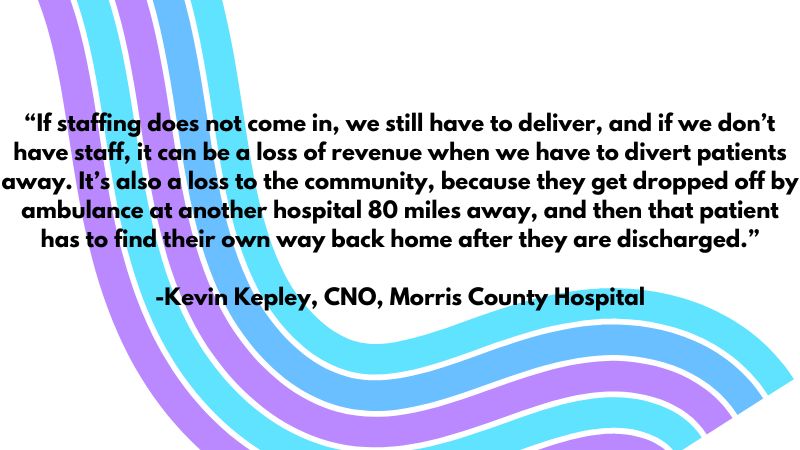
Read the full article: CAH staffing amid census spikes and nursing shortages
PRN Staffing in Rural and Urban Settings
PRN staffing plays a critical role in both rural and urban healthcare environments.
Rural facilities use PRN staffing to maintain essential services without overextending limited resources. Urban facilities benefit from deeper local talent pools and faster shift fulfillment.
In both cases, PRN staffing supports continuity of care while preserving flexibility.
Why PRN Staffing Works Best with the Right Partner
The effectiveness of PRN staffing agencies depends heavily on the agency providing it.
You benefit most when working with PRN staffing partners that prioritize compliance, reliability, and local workforce relationships. Agencies that use W-2 clinicians, maintain rigorous credentialing standards, and understand regional healthcare needs tend to deliver more consistent results.
Choosing the right PRN staffing partner ensures that flexibility does not come at the expense of quality or accountability.
Not sure if PRN staffing fits your facility?
Request PRN coverage to explore how flexible staffing can support your census, budget, and care goals—without long-term commitment.
Frequently Asked Questions About PRN Staffing
What does PRN staffing mean for healthcare facilities?
PRN staffing allows facilities to bring in qualified clinicians on an as-needed basis, helping match staffing levels to real-time patient demand without long-term commitments.
Is PRN staffing more cost-effective than overtime?
In many cases, yes. PRN staffing helps reduce overtime reliance, which can lower burnout, improve retention, and stabilize labor costs over time.
Can PRN staffing support long-term staffing strategies?
When used intentionally, PRN staffing becomes a strategic supplement to core staff rather than a temporary fix.

